We rescue the financial wisdom of our grandmothers to build a prosperous future without sacrificing our roots
Purposeful frugal living
Generational exchange
Preserved wisdom
In every market, in every kitchen, in every Mexican home beats a story of economic resilience that is not found in modern finance books but in the weathered hands of those who lived through crisis after crisis and always came out ahead.
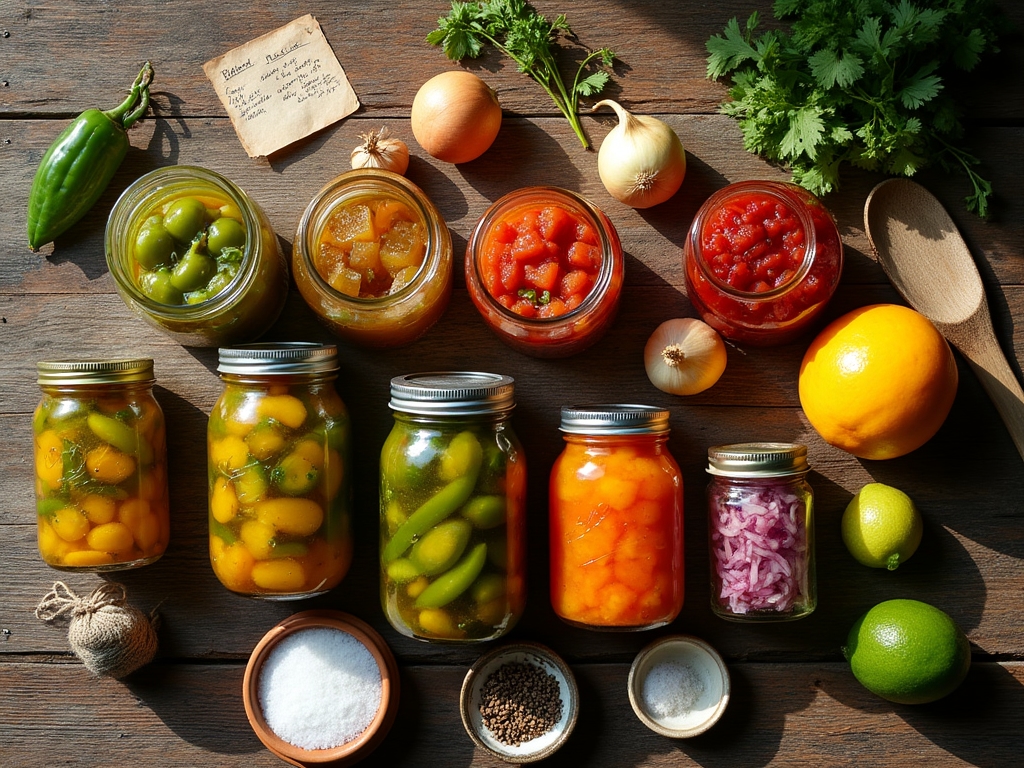
When María Elena, 78 years old, opens her pantry in Mérida, she doesn't just show jars of preserves. She reveals a complete economic system that her mother taught her during the crisis of the 1950s. Each mango jam, each pickled chili, represents victory over scarcity. It's not poverty, it's planned abundance.
Financial secrets don't always come in spreadsheets. In Yucatán, grandmothers developed a community barter system that worked better than any modern fintech app. Exchanging surplus harvest for services, time for products, knowledge for tools. A collaborative economy before the term existed.
True luxury is not about accumulating, but creating value from the seemingly insignificant. Old fabrics become new garments, glass bottles turn into planters, food scraps transform into nutritious compost. Every object has multiple lives, every resource is maximized to its last possibility. This is true wealth.
At the Caucel market, doña Esperanza told me how her family never wastes a single mango. When the season of abundance arrives, her kitchen transforms into a preservation laboratory. It's not just making jams, it's creating a strategic reserve for the entire year.
Using the Yucatecan sun to dehydrate fruits, chilies, and herbs. A millennial technique that costs no electricity and preserves essential nutrients for months.
Controlled fermentation with homemade pineapple vinegar. Seasonal vegetables become probiotic reserves that last all year without constant refrigeration.
Taking advantage of low prices during abundant harvest. A minimal investment in sugar and reused jars generates supplies that save up to 70% on future purchases.
Inherited rotation and labeling systems. Each jar has a date and contents, creating a family inventory that prevents waste and optimizes consumption.
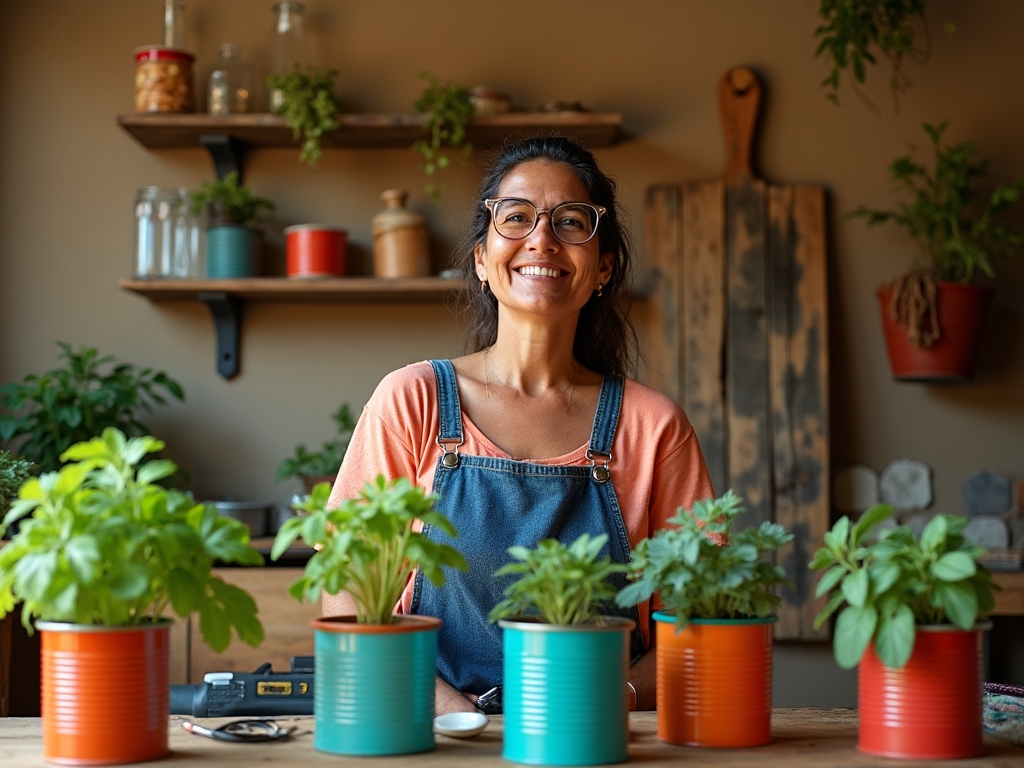
Doña Lupita's house in Las Torres looks like a museum of economic creativity. Every corner tells a transformation story. Condensed milk cans became hanging planters, her husband's old shirts are now decorative cushions, and glass bottles illuminate her garden as solar lamps.
Worn sheets transform into reusable market bags. Old jeans find new life as aprons or covers. Every thread has purpose, every scrap has value.
Glass jars are never discarded. They become containers for spices, glasses for fresh water, containers for preserves, or even flower vases. A jar bought once, used for decades.
That wobbly chair isn't thrown away, it's repaired and painted. The wooden bench is sanded and gets a new function. Creativity defeats consumerism, skill surpasses compulsive buying.
Plastic bottles as inverted planters for hanging tomatoes. Old painted tires house aromatic herbs. Pallets transform into vertical planters. Beauty without expense.
In the heart of Caucel exists an economic system invisible to banks but visible in every shared smile. Every Sunday, families not only meet, they exchange. Doña Carmen brings her tamales and receives sewing classes from doña Rosa. Don Miguel repairs appliances in exchange for vegetables from don Antonio's garden.
Money is not always necessary when there is trust. Skills are exchanged for products, time for services. An economic network based on real human relationships, not cold digital transactions. This is social capitalism that has worked for generations.
The rotating savings system I learned from my grandmother is more effective than any savings app. Each family contributes a weekly amount, and rotationally receives the total accumulated. Without interest, without credits, just word and trust. This is how refrigerators were bought, quinceañeras were paid for, rooms were built.
Don Rafael teaches carpentry to the neighborhood youth without charging a peso. In return, they help him with his garden and bring him fresh tortillas. Knowledge flows from one generation to another without enrollment costs, without impossible tuitions. The most valuable education happens in community workshops.
When five families come together to buy a sack of beans directly from the producer, everyone saves. The wholesale price benefits everyone, the farmer sells without intermediaries, and the community strengthens. This is the solidarity economy that supermarkets fear.
The real revolution is not in earning more, but in needing less without sacrificing quality of life. Our grandmothers did not live in poverty, they lived in conscious abundance. Every peso counted, but not out of scarcity, but out of respect for the effort it represented.
Before buying, ask yourself three times if you really need it. Wait three days before acquiring something non-essential. This simple rule has saved countless family budgets.
Cheap is expensive. Better to invest in a good knife that lasts 20 years than buy a disposable one every year. Quality is long-term economy, not immediate expense.
You don't need to produce everything, but something. A small herb garden, potted tomatoes, chilies in the yard. Every ingredient you don't buy is a saving that multiplies.
That blender that stopped working probably just needs a 50-peso part, not an 800-peso replacement. Basic repair knowledge is real economic power.
Being grateful for what you have decreases the desire for what you don't have. Abundance is a mindset, not an amount in a bank account. The happiest families are not the richest, they are the most grateful.
The best gift you can leave your children is not money, it's the ability to live well with little. Teach them to cook, repair, cultivate, save. These are riches that no crisis can take away.
Share your own stories of inherited financial wisdom. Learn techniques of preservation, reuse, and community exchange. Together we preserve the knowledge that transformed our families for generations.
C. 31 649-H, entre 71 y 74
Las Torres, Caucel
97314 Mérida, Yuc.
+52 999 324 4185
contact@investoriox.com